In Print
Essays

Paper Lanterns in the Darkness
Every Structure Wants to Collapse Gracefully
Every Structure Wants to Collapse Gracefully
How did I begin this ritual of experience, all those years ago? I finally understand the madness that tethered sorcerers to their crucibles. Why alchemy transformed into a science. Was it not the desire to find antidotes to our inevitable demise? Centuries later, I find myself lost in the very same timeless, epistemological questions. Why am I here? Where am I going? Did I run into myself on that quiet March morning in 1999 — or did I exist before my arrival?
Every Structure Wants to Collapse Gracefully
Every Structure Wants to Collapse Gracefully
Every Structure Wants to Collapse Gracefully
Every structure wants to collapse gracefully: the body under the weight of years, the house once full of laughter, the nation built on myth. Even memory, if left untouched, begins to fold in on itself — softly, almost mercifully — like an experience morphing into a dream. In that collapse, something remains: a residue of truth, small but indestructible, from which my exiled self begins to dream again.
The Most Radical Love Story
Every Structure Wants to Collapse Gracefully
The Most Radical Love Story
Nostalgia is the most restorative of all emotions, the most potent of all drugs. It is also the most incarcerating, for it is when we are nostalgic that we are the most cruel.
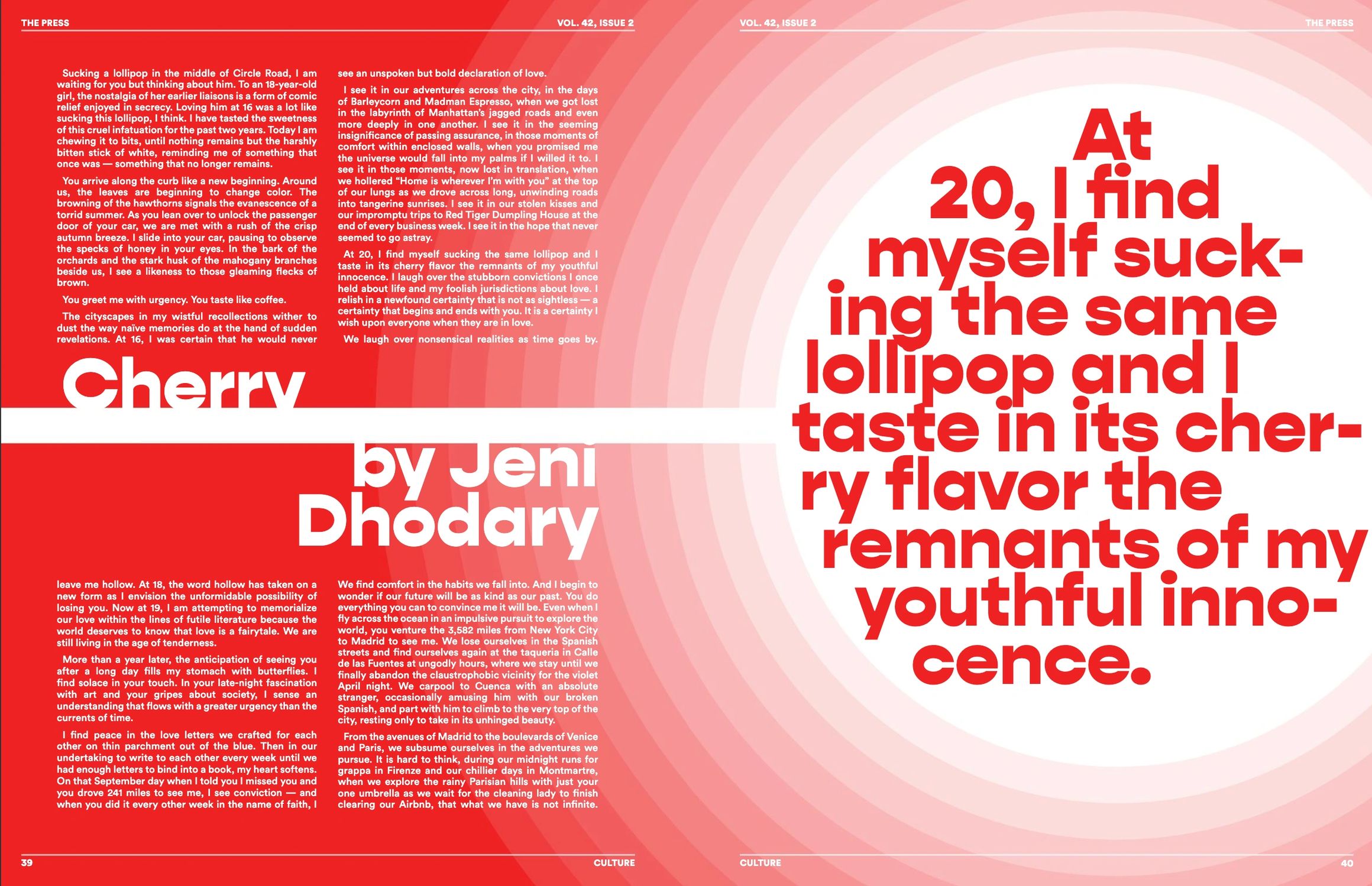
Cherry
Every Structure Wants to Collapse Gracefully
The Most Radical Love Story
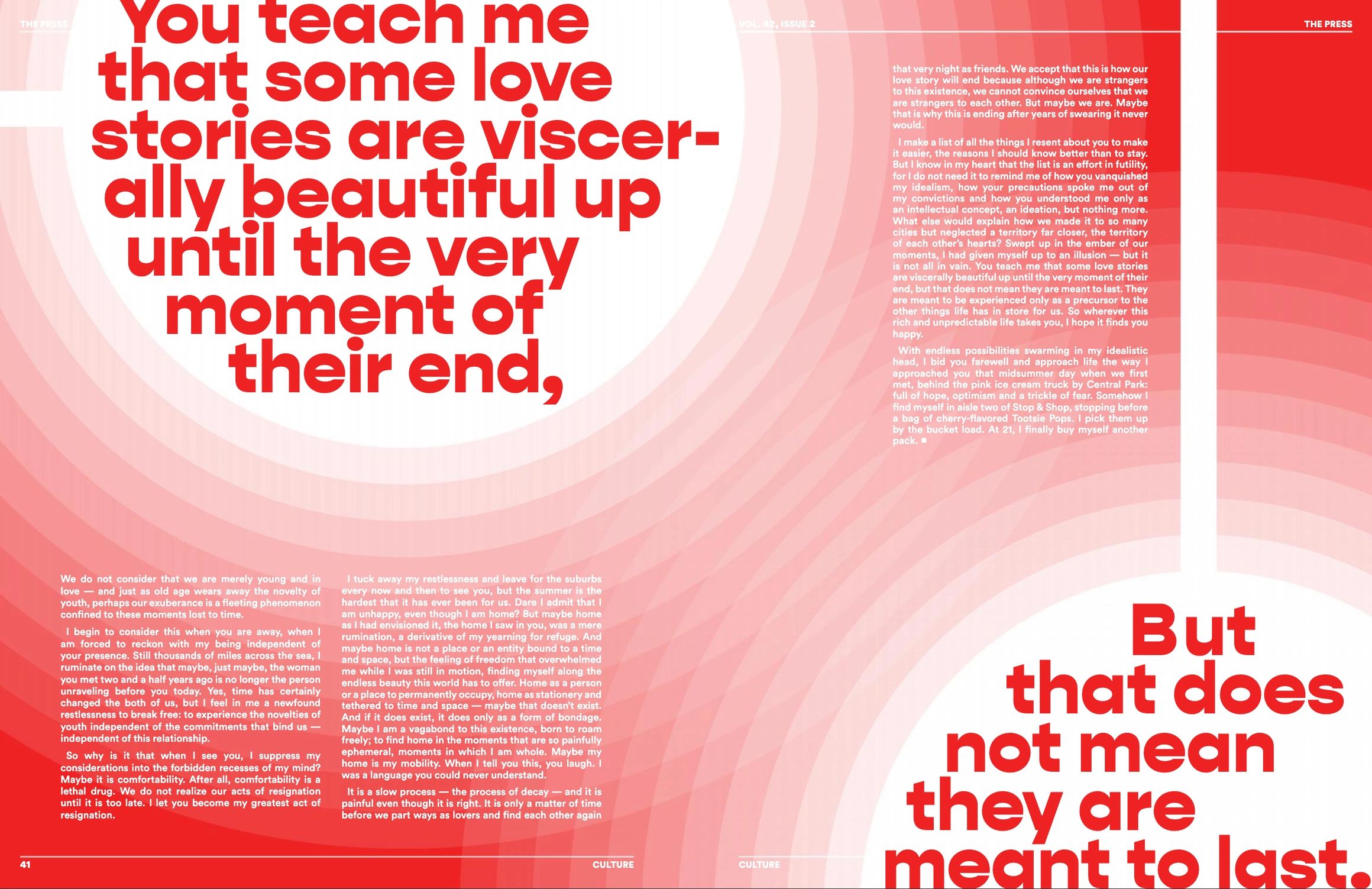
You teach me that some love stories are viscerally beautiful up until the very moment of their end, but that does not mean they are meant to last. They are meant to be experienced only as a precursor to the other things life has in store for us.
Novels

The American
We Didn't Make It After All
We Didn't Make It After All
The summer of eighteen is supposed to be one of mishaps and misadventures, but Margarita Velasco finds herself boarding for a small seaside village in coastal Spain to complete her father's burial. She had heard from his stories that the shores of Girona contain a certain magic that no human can fathom without experiencing it firsthand. The last thing she expects is for her magic to come in the form of a twenty year old boy named Teo Riaza.
© 2021
We Didn't Make It After All
We Didn't Make It After All
We Didn't Make It After All
Love is crueler than it is kind. It teases you with possibility before stripping you bare. This is Ezra and Narnie's story, the story of how they fell in love, the story of how they found immortality.
© 2020
Sour Sweet Love
We Didn't Make It After All
Sour Sweet Love
At first glance, Avery Wilson dislikes Declan Andrews more than she can admit. He gets her to think in ways she has never done before, and he is different than the people she usually associates herself with. Yet amidst the chaos and confusion led on by her heart, she finds herself falling in love with the very things that she had once despised about him. They are sour, they are sweet, and they are on the brink of experiencing a love more profound than either has ever known.
© 2013
Society
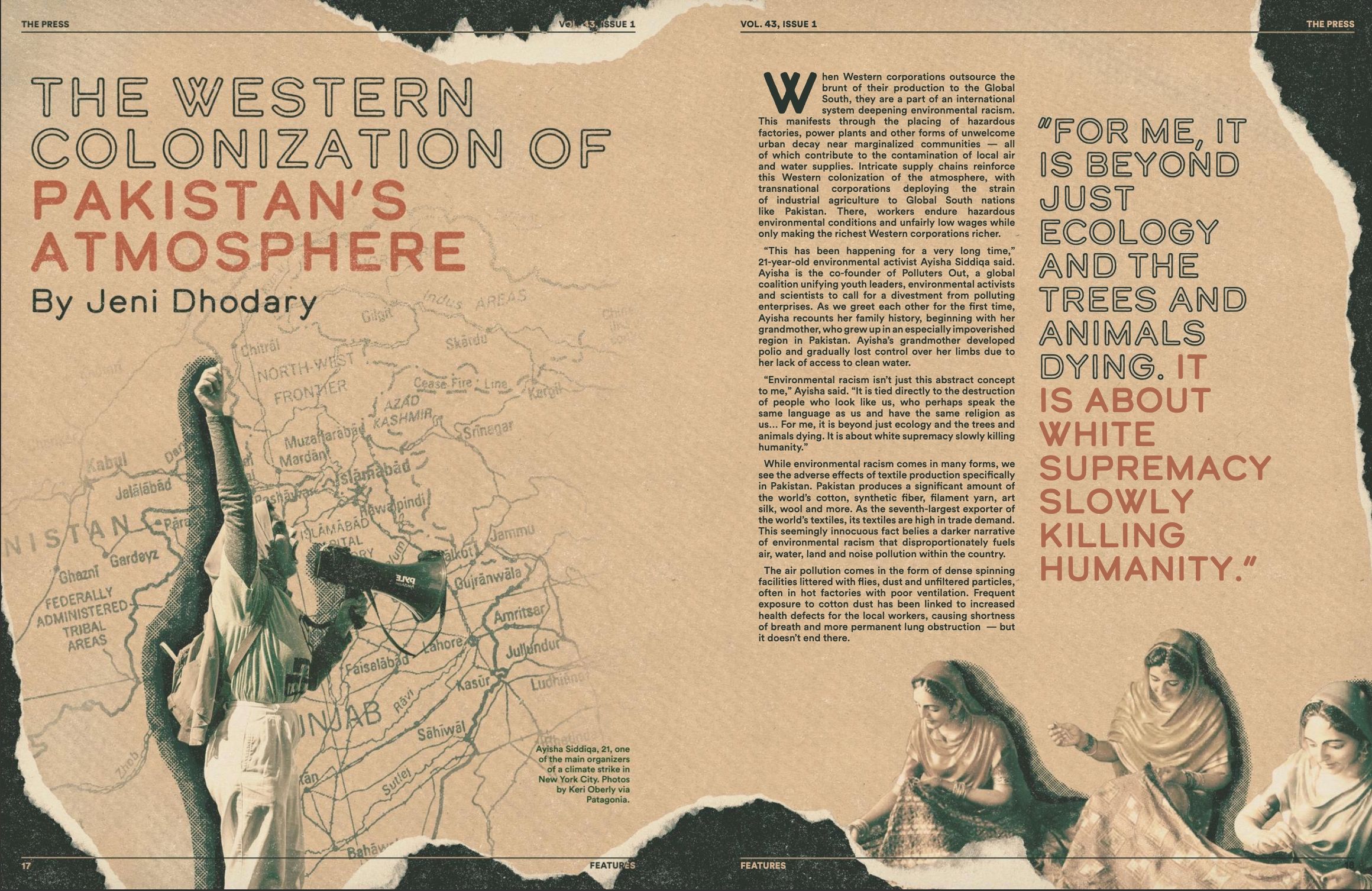
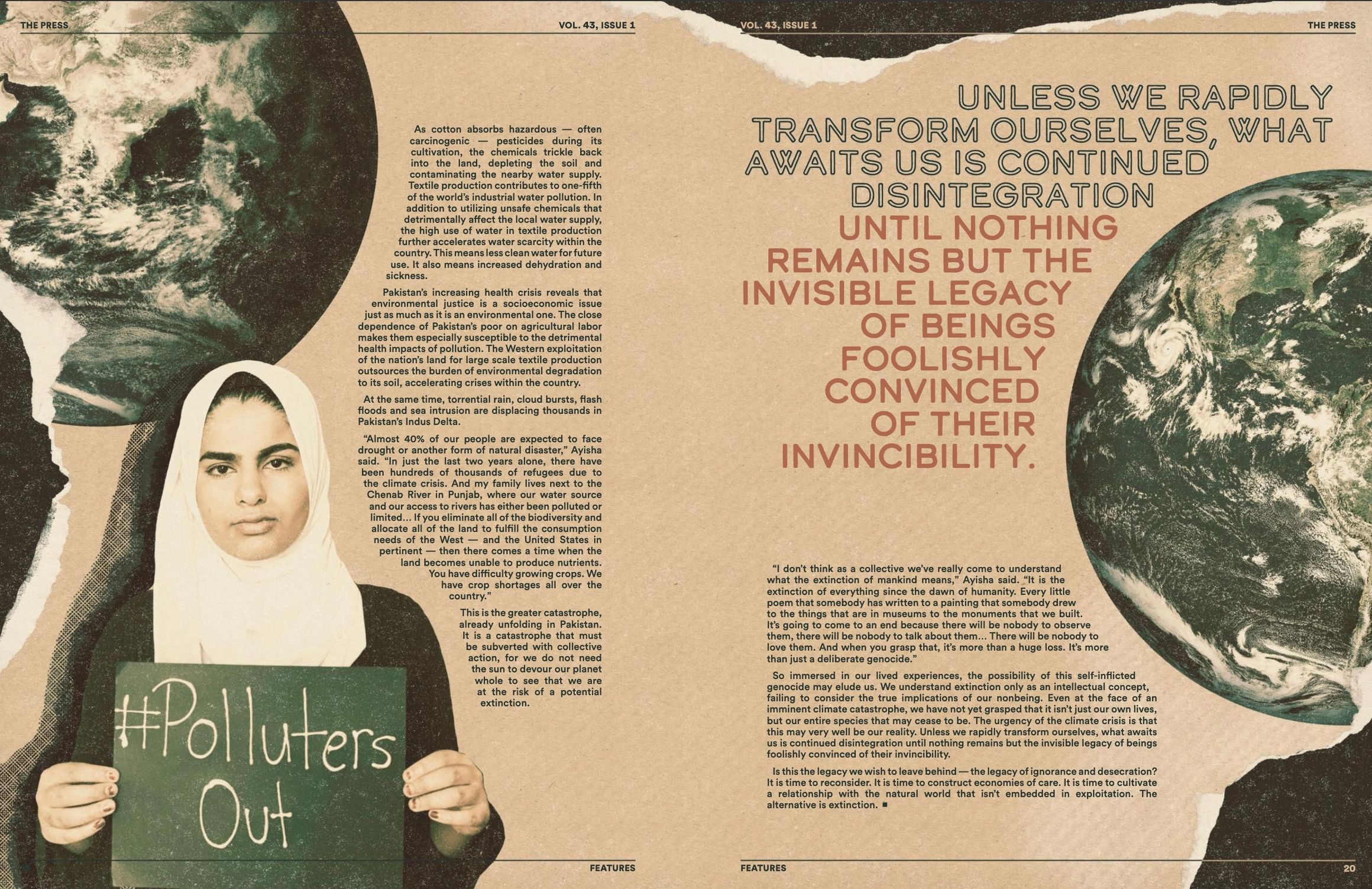
The Western Colonization of Pakistan's Atmosphere
The Western Colonization of Pakistan's Atmosphere
The Western Colonization of Pakistan's Atmosphere
Intricate supply chains reinforce the Western colonization of the atmosphere, with transnational corporations deploying the strain of industrial agriculture to global South nations like Pakistan. There, workers endure hazardous environmental conditions and unfairly low wages while only making the richest Western corporations richer.
The Erasure of the Global Working Woman
The Western Colonization of Pakistan's Atmosphere
The Western Colonization of Pakistan's Atmosphere
Globally, women represent less than 50% of the labor force despite contributing $10.8 trillion in uncompensated domestic labor every year. In conducting essential household tasks such as cooking, subsistence farming, cleaning, transporting water and more, they are a part of an invisible industry valued at three times the global technology industry.
The Economy As a Body
The Western Colonization of Pakistan's Atmosphere
The Economy As a Body
In the same way that we respond to pain in one part of the body as something to remedy immediately, we should see it as our priority to alleviate the pain of the many people and natural elements constituting our economic body. Our inability to do so is our tragedy.
This Is Not Freedom
The Western Colonization of Pakistan's Atmosphere
The Economy As a Body
Founded in a deep irony, capitalism promotes the moral framework of autonomy while at the same time eroding the true freedom of the vast majority. Where the human body has become nothing more than a mere tool for production, we have lost our freedom over our emotions, over our bodies — and over our right to flourish as human beings.
The Gilded Age
The Best of Times, The Worst of Times
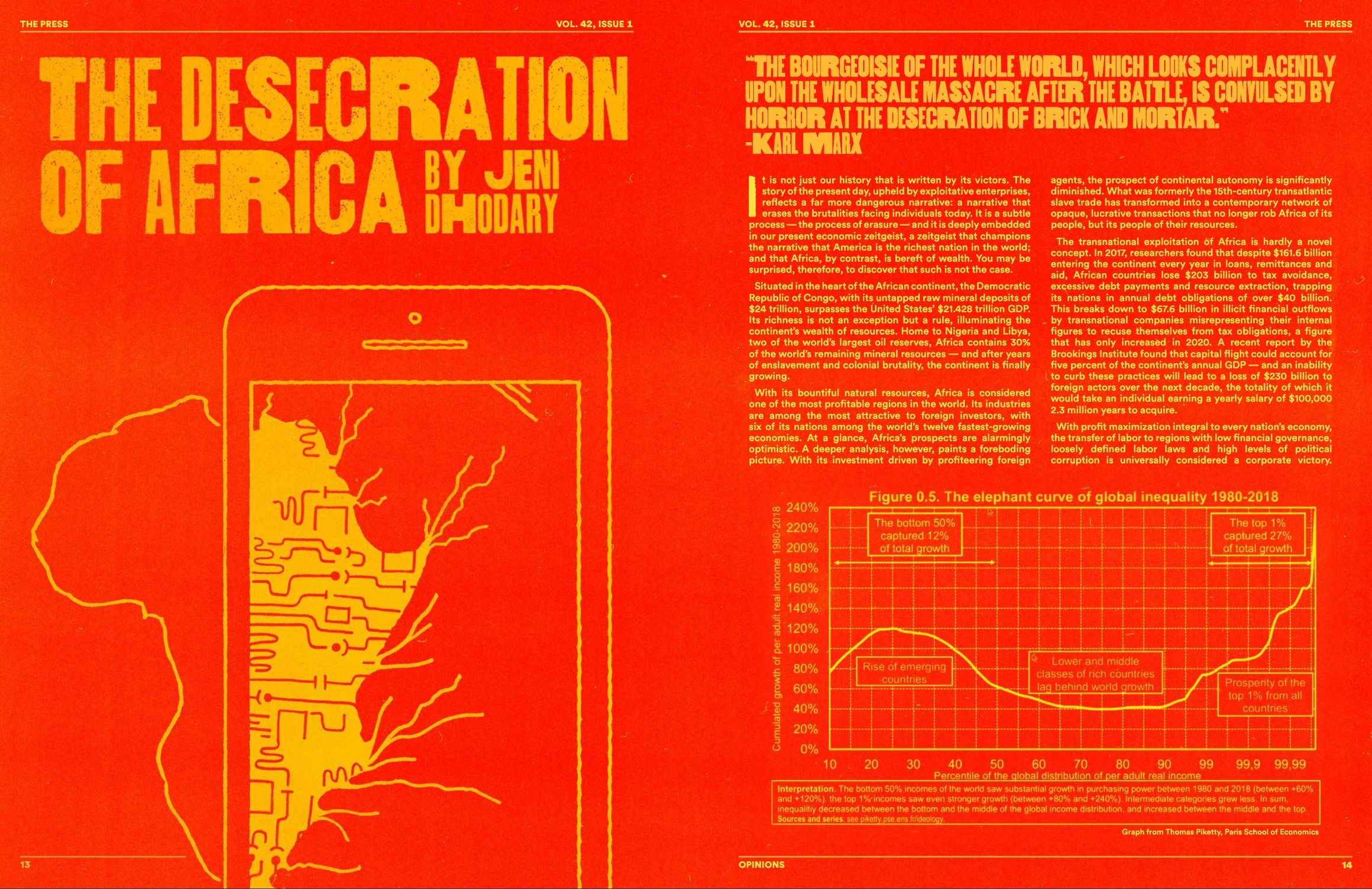
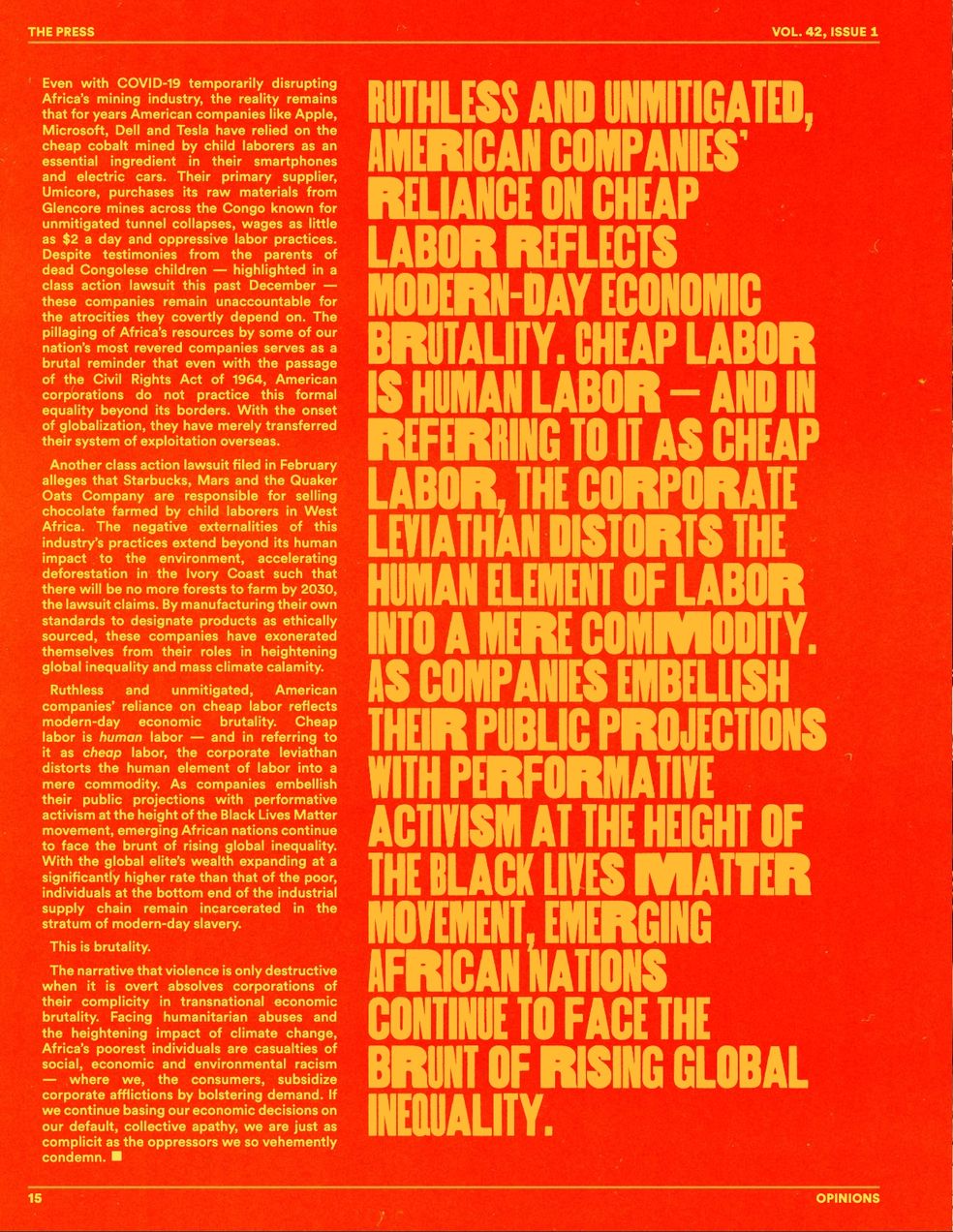
The Desecration of Africa
It is now brought to public memory that perhaps we are reentering The Gilded Age — an era marked by rapid prosperity, technological advancements and economic growth, its golden exterior of prosperity disguising the destitution within.
The Desecration of Africa
The Best of Times, The Worst of Times
The Desecration of Africa
The pillaging of Africa’s resources by some of our nation’s most revered companies serves as a brutal reminder that even with the passage of the Civil Rights Act in 1964, American corporations do not practice this formal equality beyond its borders. With the onset of globalization, they have merely transferred their system of exploitation overseas.
The Dictatorship of Debt
The Best of Times, The Worst of Times
The Best of Times, The Worst of Times
As the impact of the 2008 recession dwindles into America’s amnesiac consciousness, the nation’s economy has seen the rise of another subtle but looming economic catastrophe. Student loan debt, already at a record high of $671 billion in 2008, rose to $1.52 trillion last year according to the Federal Reserve – a figure higher than the current standing $1.3 trillion GDP of Spain.
The Best of Times, The Worst of Times
The Best of Times, The Worst of Times
The Best of Times, The Worst of Times
It is the worst of times because our government does not shy from restricting consumption when it appears detrimental, but refuses to regulate a production scheme that has been complacent in the shredding of human dignity; and unless we vehemently transform ourselves, we too will be complacent in this genocidal process of mass affliction against not just human lives, but our planet as well.